Repetitive Transcranial Magnetic Brain Stimulation rTMS Machine
Product Name: Repetitive Transcranial Magnetic Stimulation(rTMS) Machine
Model Number: JLC01
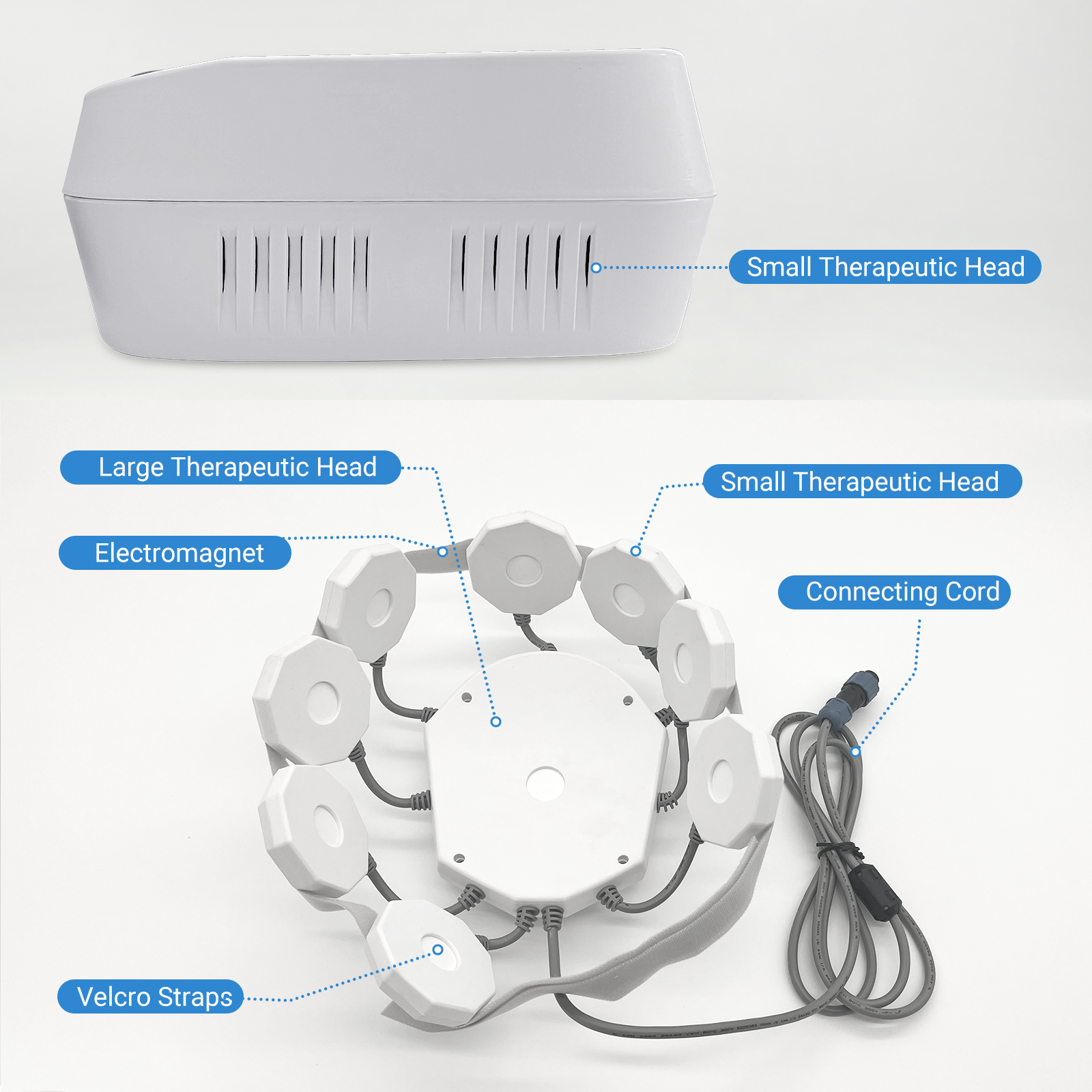
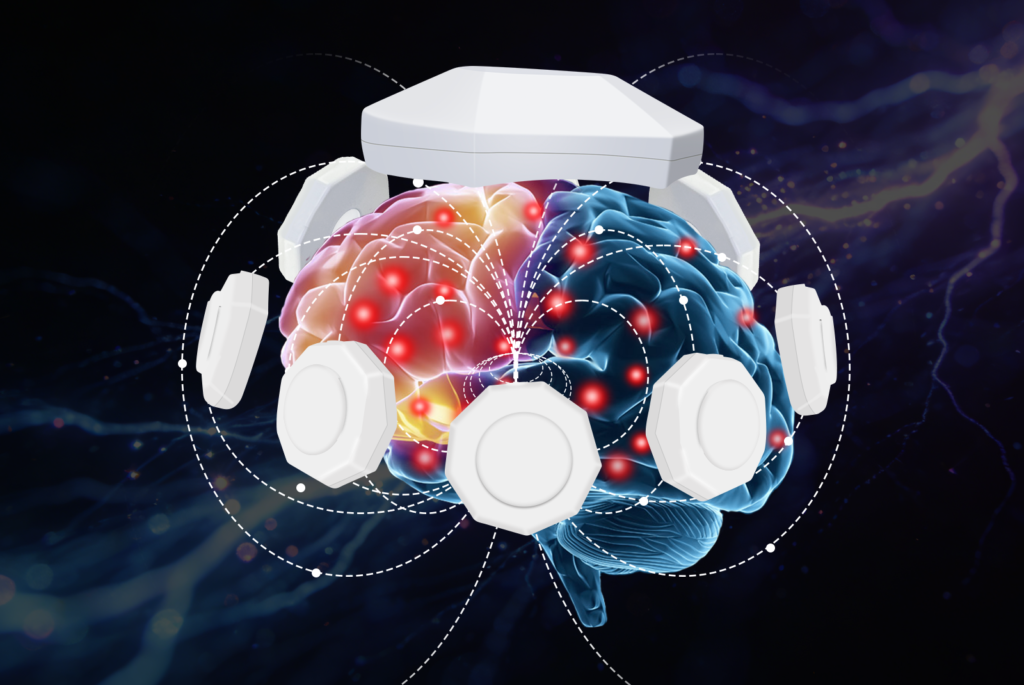
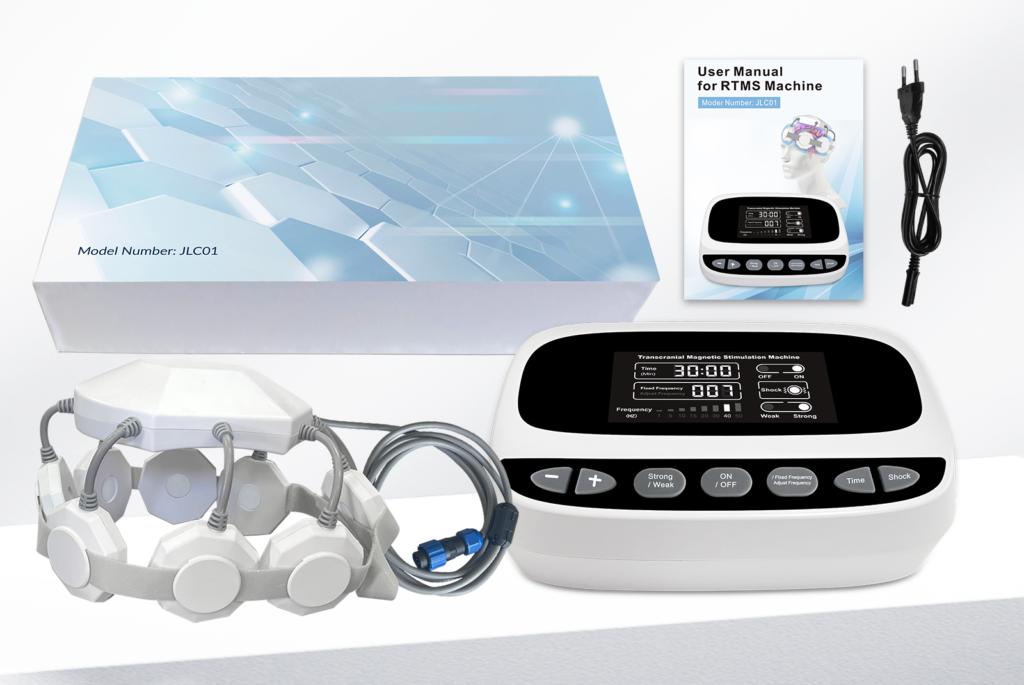
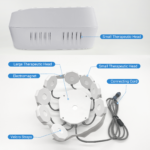
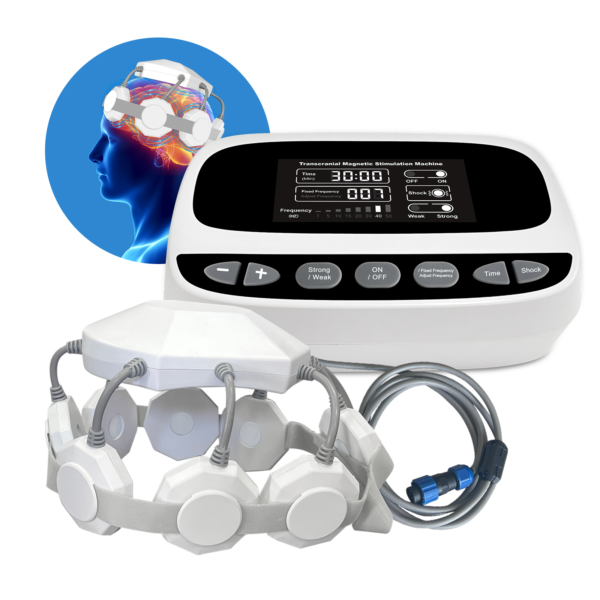
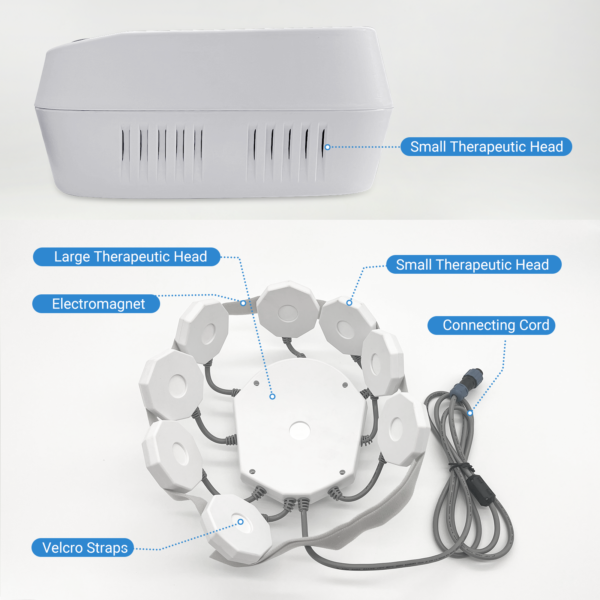
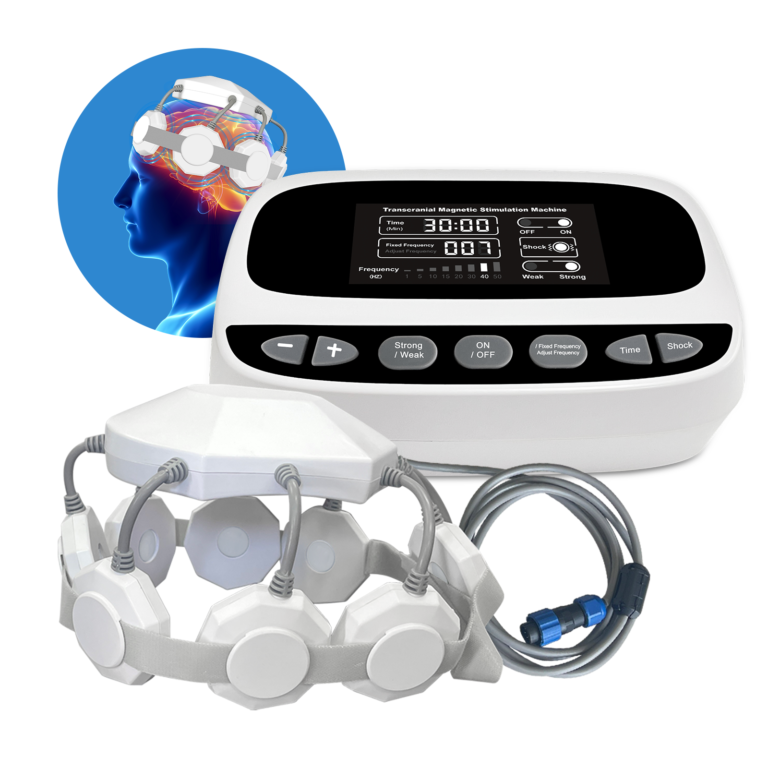
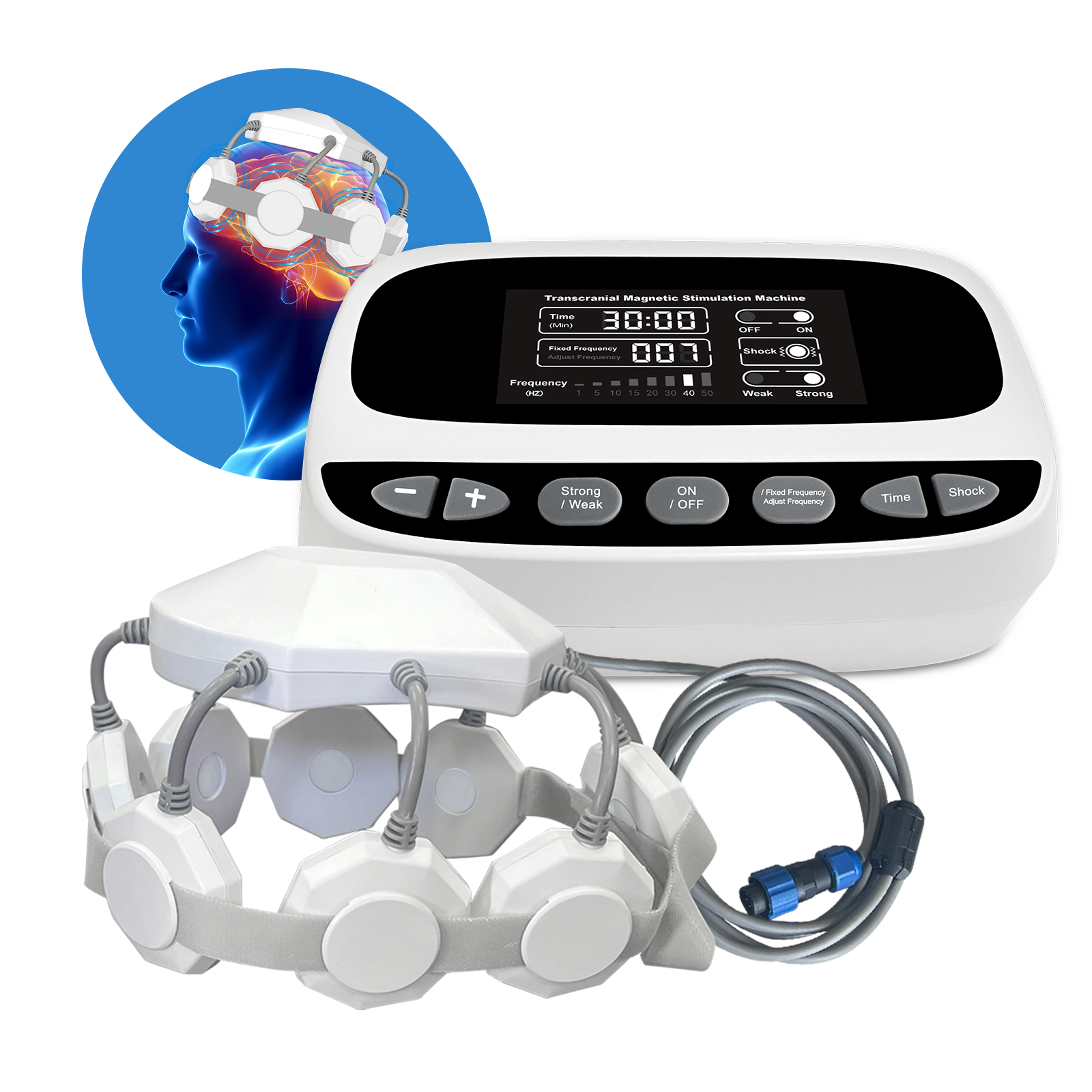
Number of Therapeutic Heads: 1 Large Therapeutic Head+8 Small Therapeutic Head
Magnetic Field Frequency: 1/5/10/15/20/30/40/50Hz, 8 Fixed Frequency to Choose
Variable(Adjust) Frequency Modes: 11 Modes to Choose
Weak Level Magnetic Strength: 6mT-10mT
Strong Level Magnetic Strength: 11mT-19mT
Time: 0-95 Minutes, Every 5 Minutes Adjustable
Machine Size: 27.97*18.97*8.06cm / 11.01*7.47*3.17in
Net Weight: Machine: 1kg / 2.21lb; Therapeutic Head: 0.7kg / 1.54lb
Input Voltage: AC 100V-240V, 50Hz/60Hz
Power Supply: DC Charging
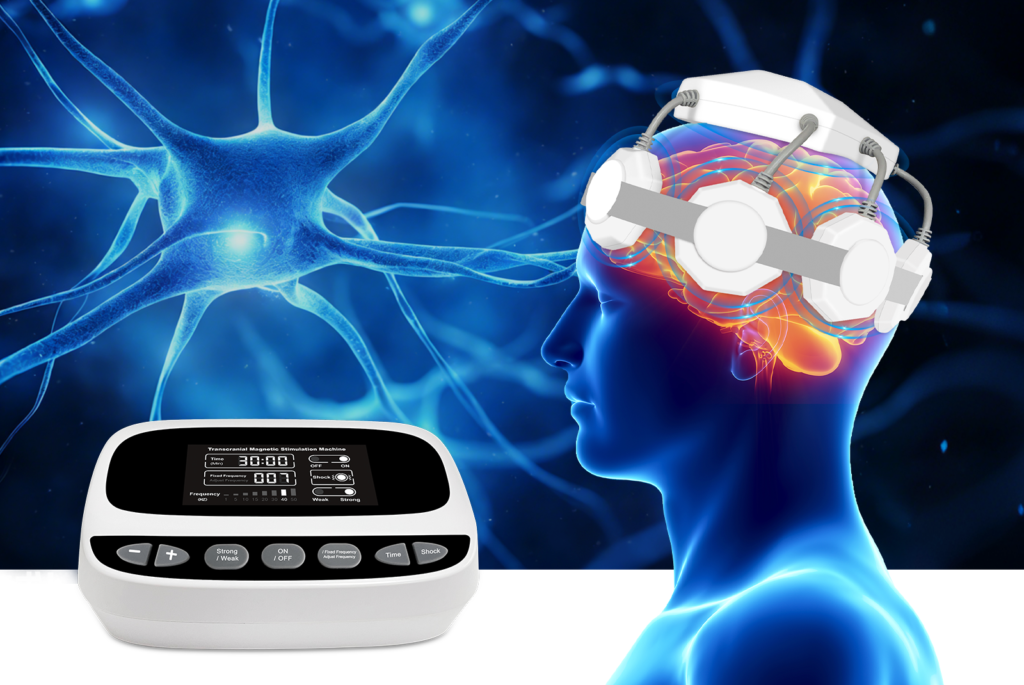
Repetitive transcranial magnetic stimulation (rTMS) is a non-invasive brain stimulation technique that uses the principle of electromagnetic induction to induce electrical currents in specific areas of the brain through a changing magnetic field. An electrical pulse generator (or stimulator) connected to a magnetic coil on the scalp generates a changing current within the coil, which in turn produces a changing magnetic field. This magnetic field induces a modulating current in the target area of the brain. Transcranial magnetic stimulation shows potential for both diagnosis and treatment in the central nervous system and can be used to treat various disease states in neurology and mental health.
Application Principles
The magnetic field system of the transcranial magnetic stimulation (TMS) device achieves precise modulation of neuronal activity in different brain regions through adjustable combinations of intensity, frequency, and time parameters. Weak magnetic fields (6-10 mT) are suitable for superficial cortical modulation, while strong magnetic fields (11-19 mT) can penetrate to deeper neural layers. Combined with 8 fixed frequencies and 11 adjustable modes, it can provide individualized treatment plans for a wide range of indications, including depression, chronic pain, and neurological rehabilitation.
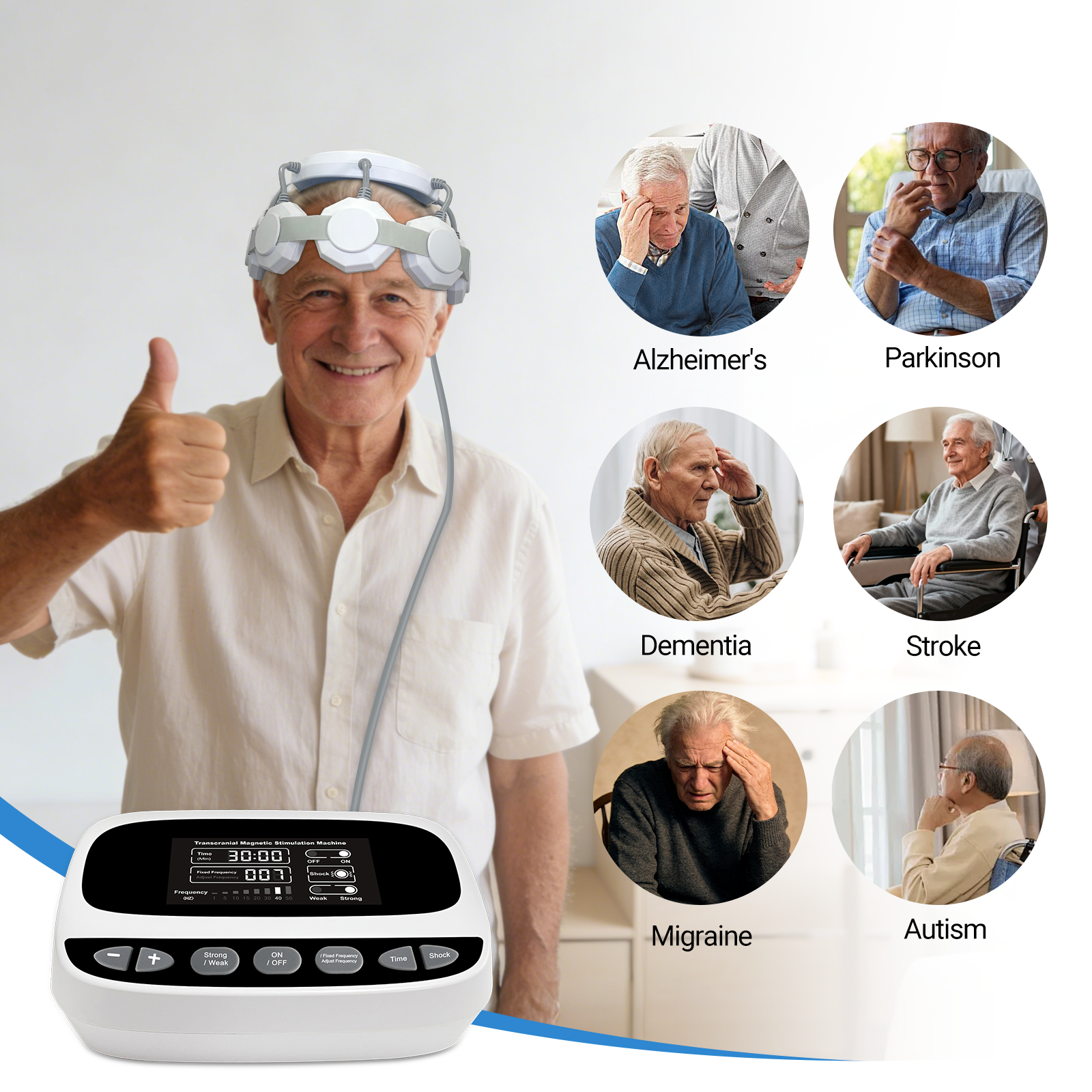
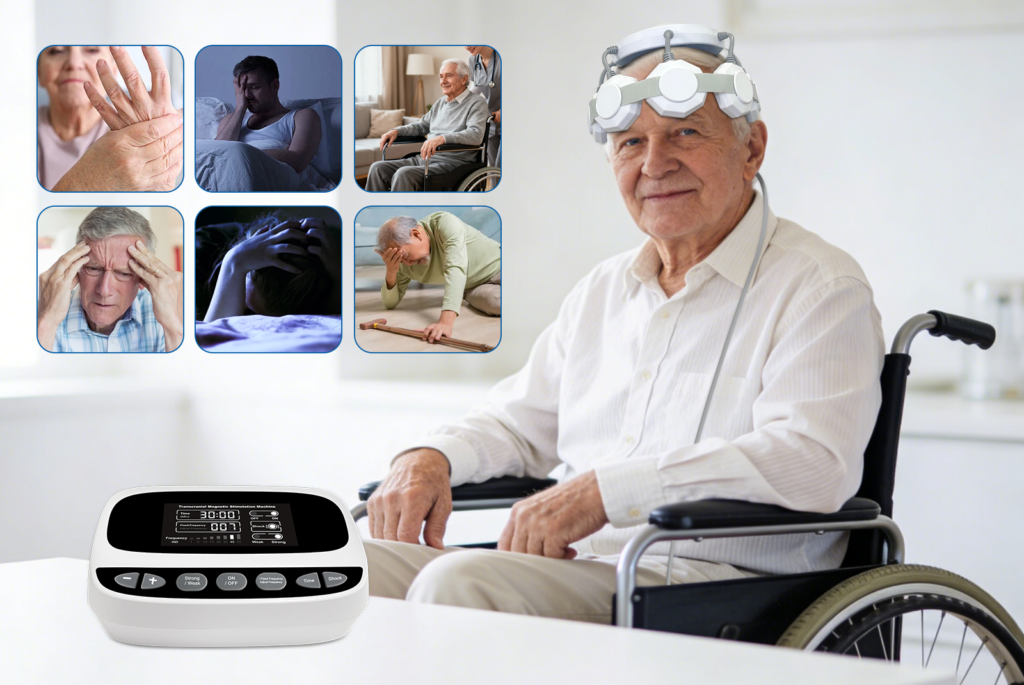
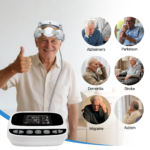
Cognitive Disorders: Autism, Schizophrenia, Cognitive Decline Sleep Disorders: Insomnia Other Conditions: Epilepsy, Tinnitus, Motor Cortex Dysfunction
Application Scope
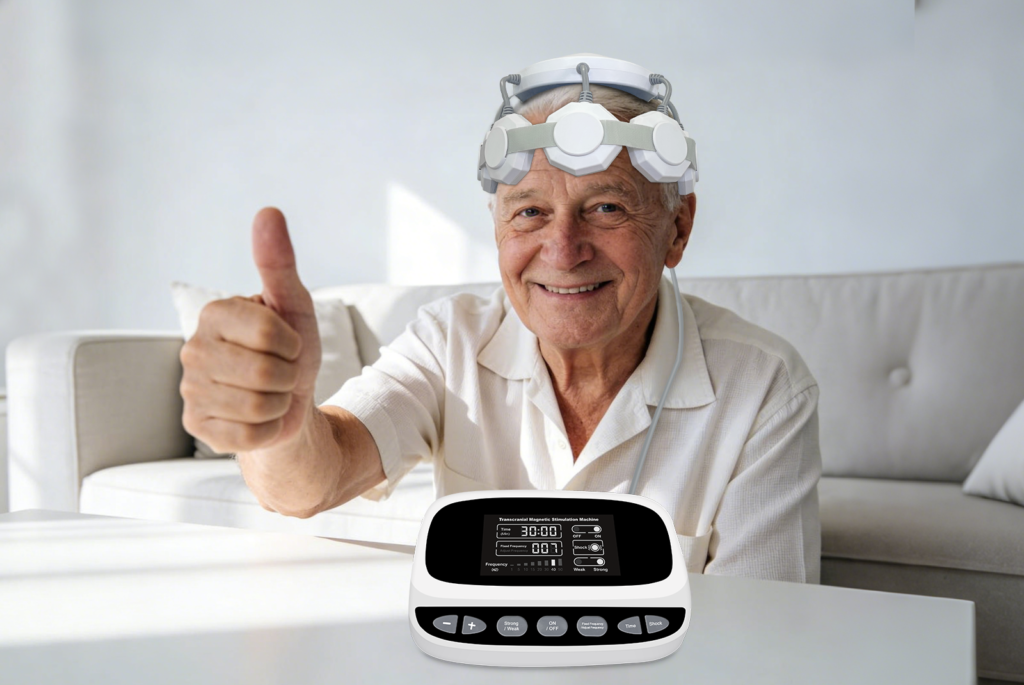
This transcranial magnetic stimulation device brings professional-grade neuromodulation technology into your daily life. Its portable design allows you to easily enjoy professional treatment in your living room or office. Patients with depression can improve their mood with 20 minutes of high-frequency stimulation daily; those with chronic pain can use the low-frequency mode to relieve discomfort; and insomniacs can use it to treat sleep problems. The device is equipped with an intelligent sensing system that automatically activates when worn and pauses when removed. It can be used as a continuation and supplement to hospital treatment, or for daily health maintenance.
Multifunctional Controller
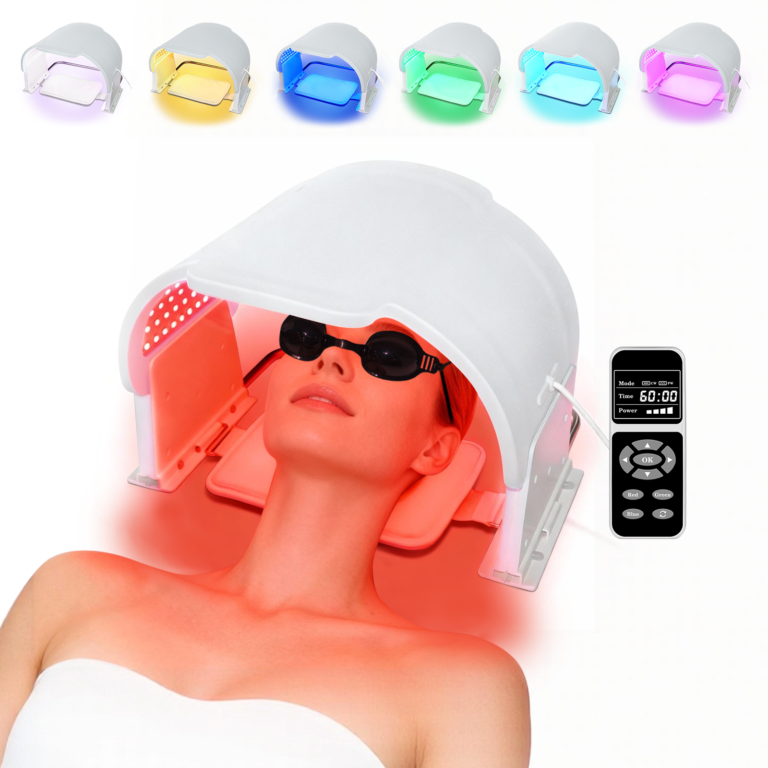
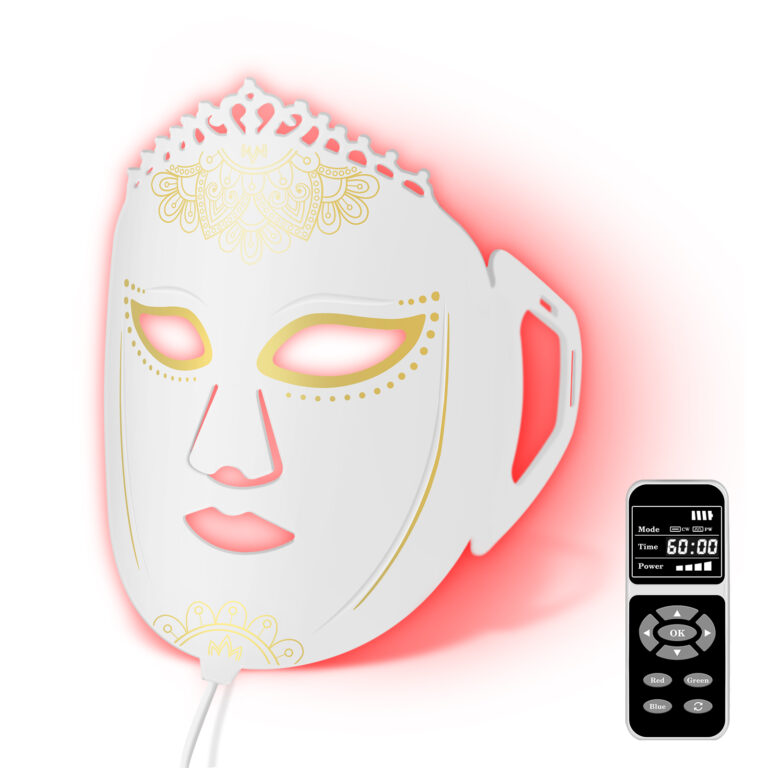
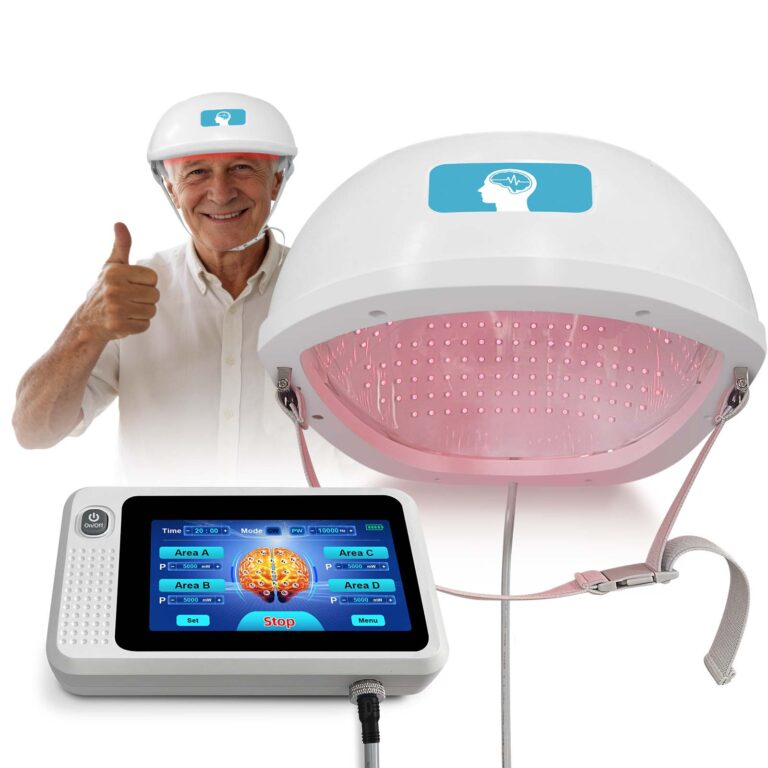
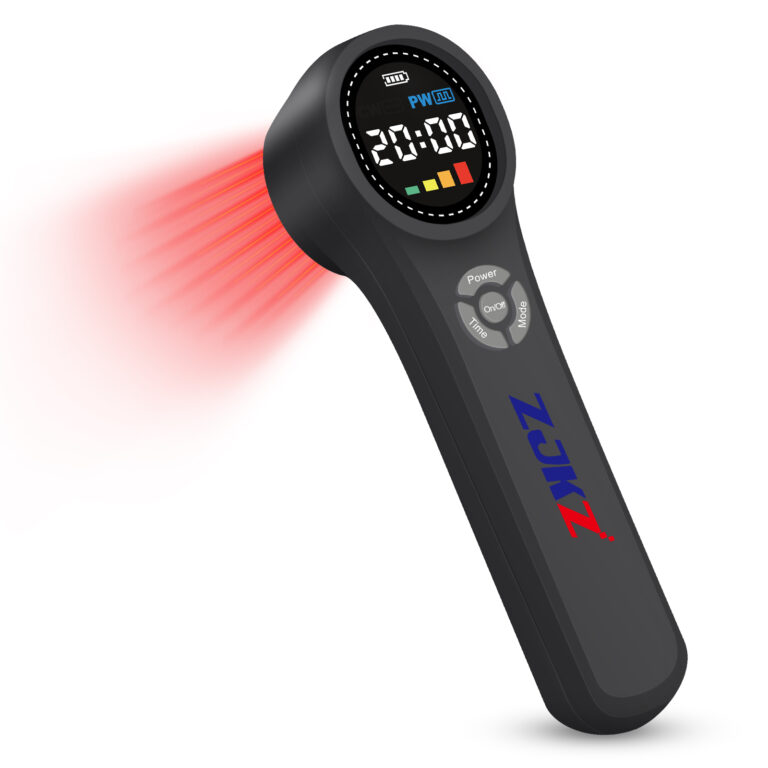
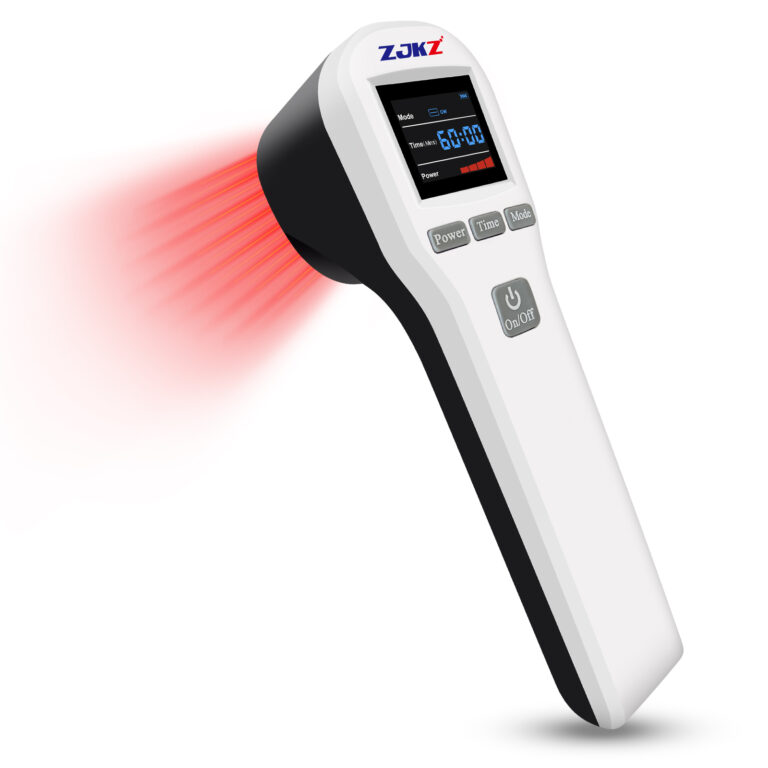
The multifunctional controller is easy to operate. Users can select between continuous wave (CW) or pulsed wave (PW) modes, and the power can be adjusted in four levels: 25%, 50%, 75%, and 100%. The treatment time can be flexibly set from 1 to 60 minutes. The controller has four preset common frequencies (10Hz, 40Hz, 400Hz, and 4698Hz) for quick selection, and also supports custom frequencies within the range of 1 to 20000Hz to meet diverse treatment needs. When using the 810nm/1070nm brain phototherapy helmet for photobiomodulation therapy, the required pulse frequency and treatment duration can be adjusted accordingly for different brain diseases.
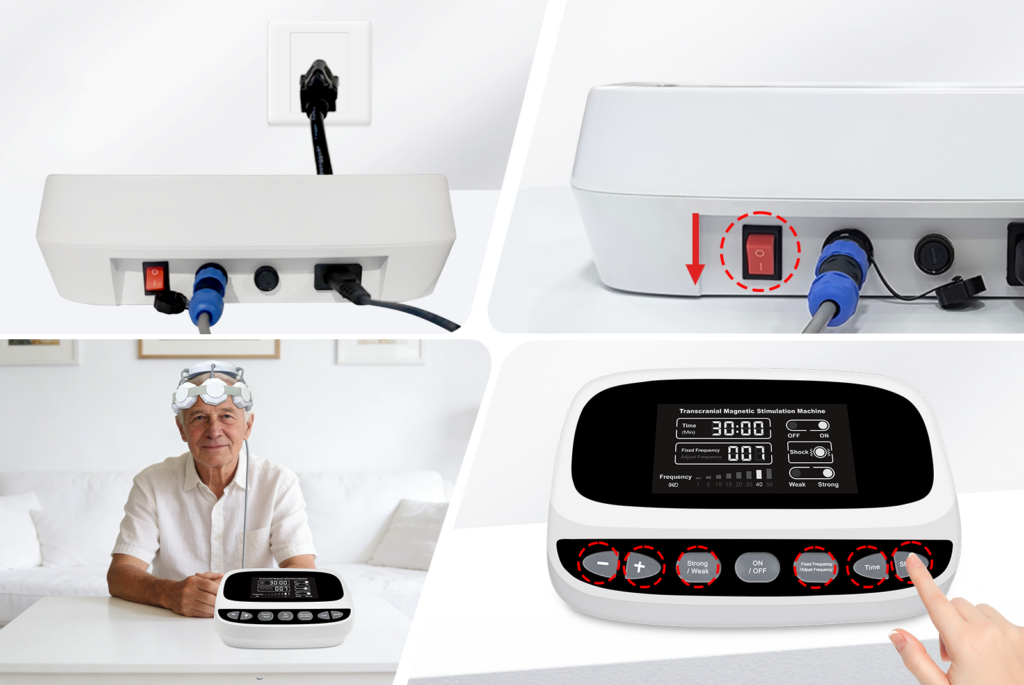
Transcranial Magnetic Stimulation (TMS) Four-Step Operating Guide
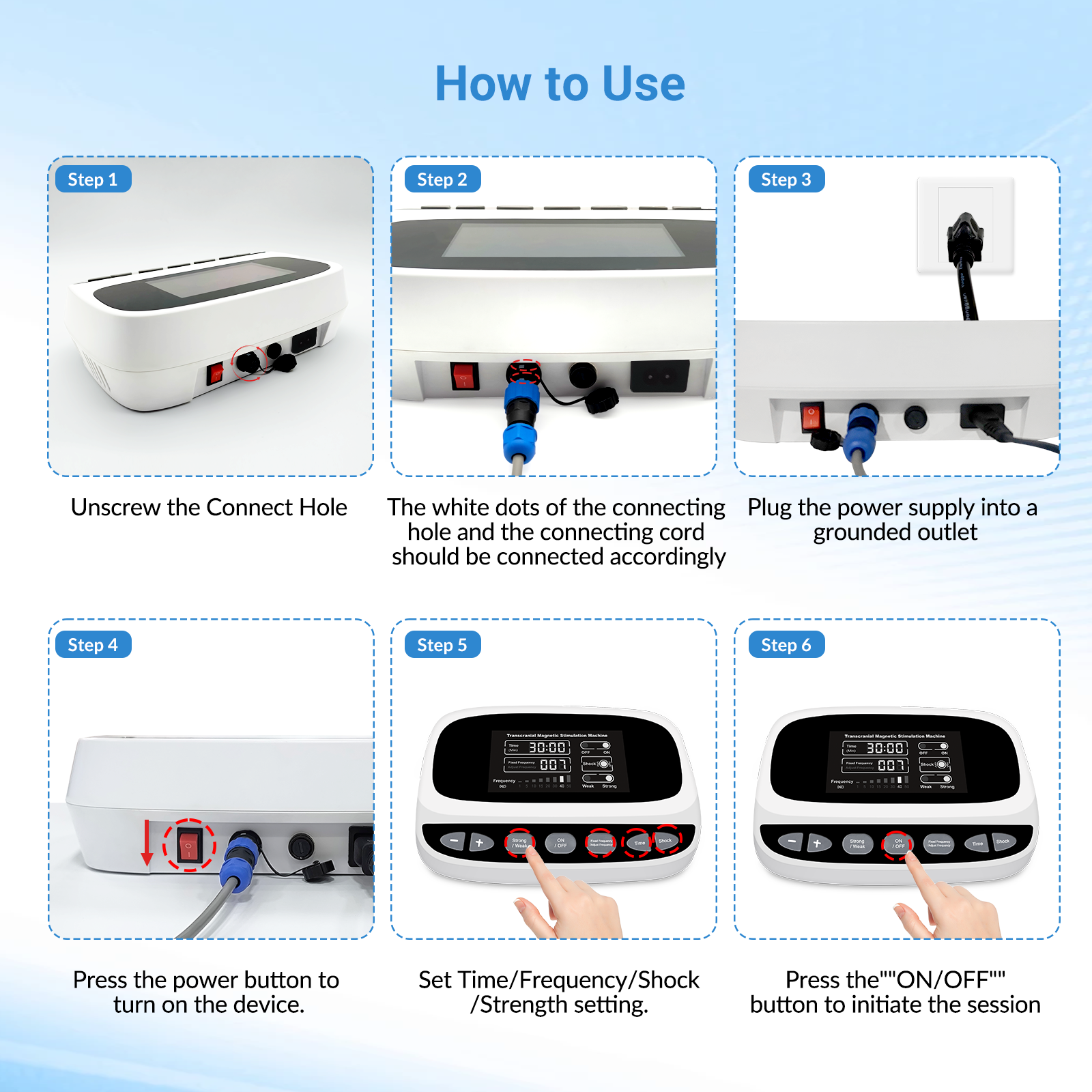
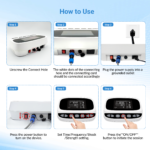
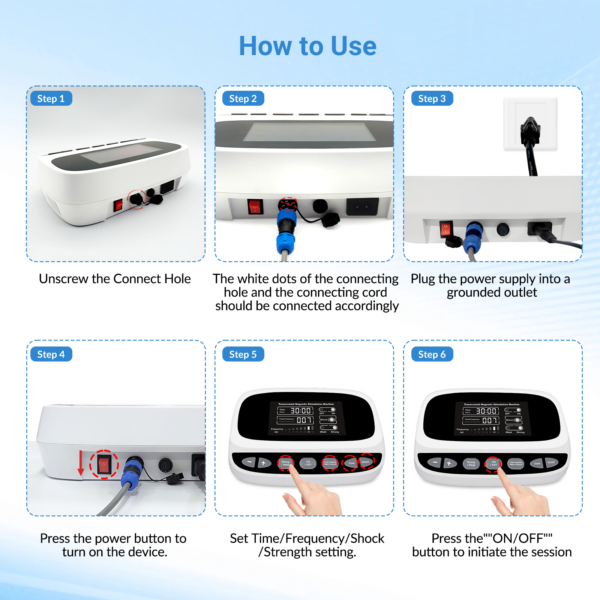
Preparation: Connect the power supply, attach the treatment head, and turn on the main switch on the back of the device.
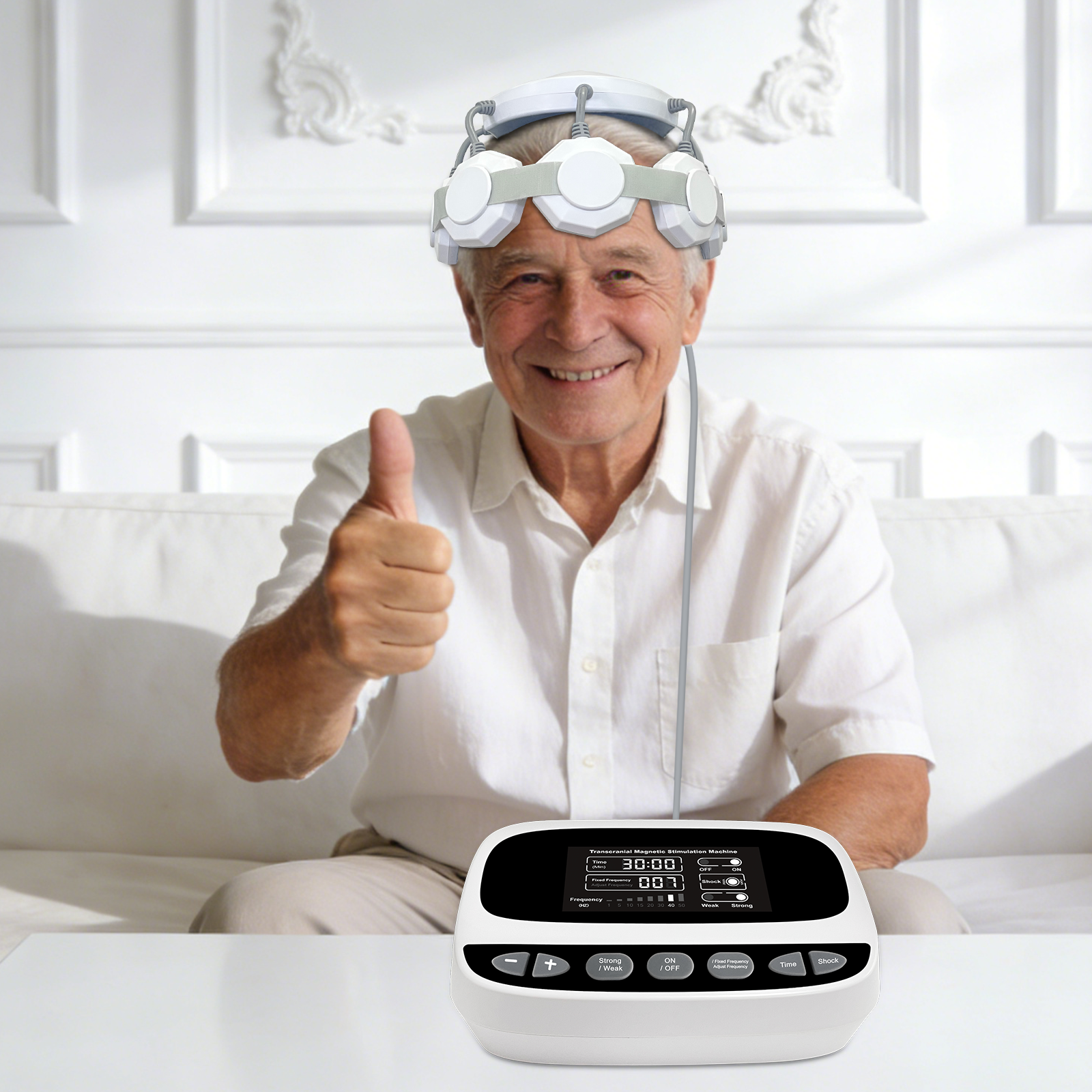
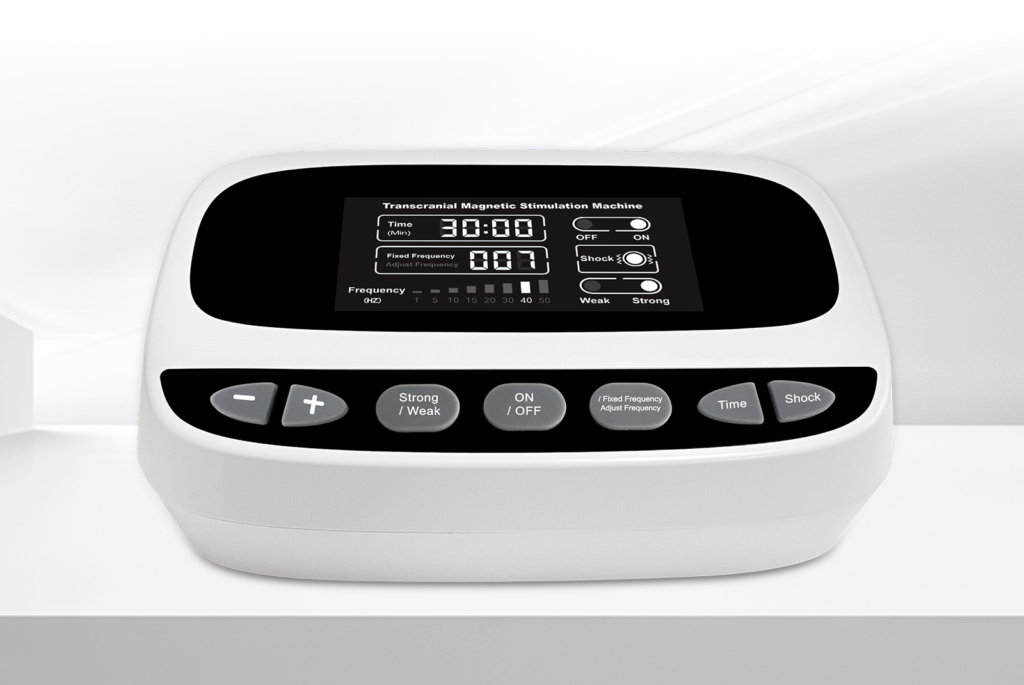
Start the device by pressing the ON/OFF button. Select the intensity using the Strong/Weak button and adjust the frequency using the Frequency button (1/5/10/15/20/30/40/50Hz, 8 fixed frequencies to choose from). Set the duration using the Time button (20-30 minutes recommended).
Place the treatment head against the target area (prefrontal cortex/motor cortex) and press the Shock button to begin. The intensity can be adjusted at any time during treatment.
The device will automatically stop after the countdown ends. Remove the treatment head and turn off the device power.
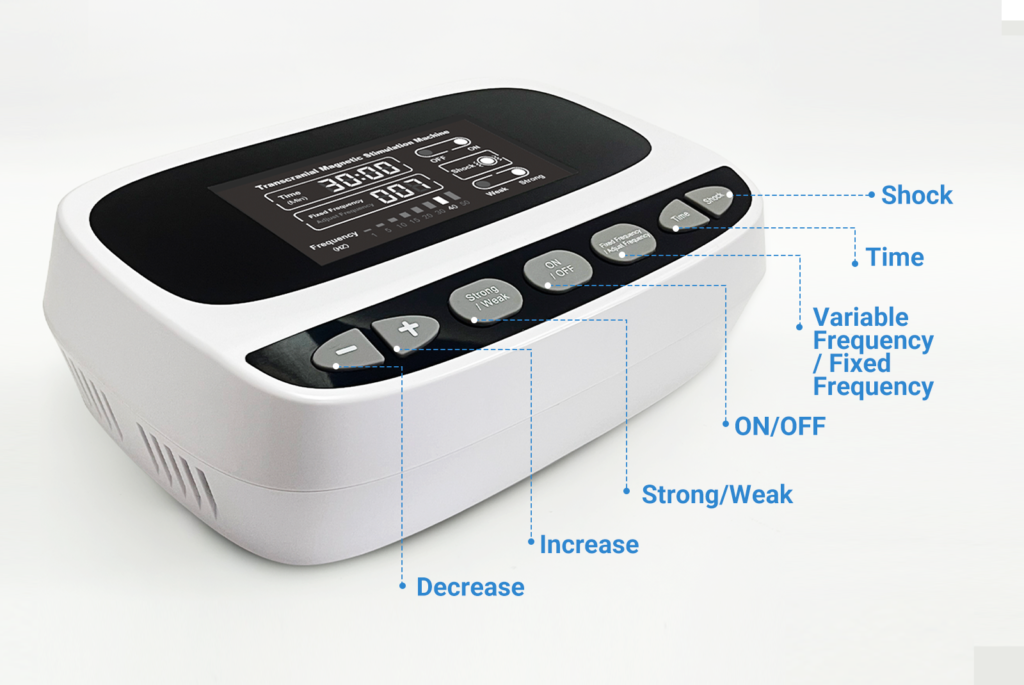
Transcranial Magnetic Stimulation Button Functions
ON/OFF Button Function: Main power switch for the device. Used for turning the device on/off, and can immediately pause treatment in case of emergency.
Strong/Weak Button Function: Switches magnetic field strength. Selects between weak (6-10mT) and strong (11-19mT) settings to suit different treatment stages and tolerance levels.
Time Button Function: Sets treatment duration. Press this button and then use the +/- buttons to adjust the time (0-95 minutes).
+/- Buttons Function: Used to adjust specific parameter values such as frequency and intensity percentage.
Variable Frequency/Fixed Frequency Button Function: 1/5/10/15/20/30/40/50Hz, 8 frequencies available.
Shock Button Function: Starts/pauses treatment. After setting the parameters and attaching the treatment head, press this button to begin treatment.
Transcranial Magnetic Stimulation (rTMS) Recommended Treatment Plan
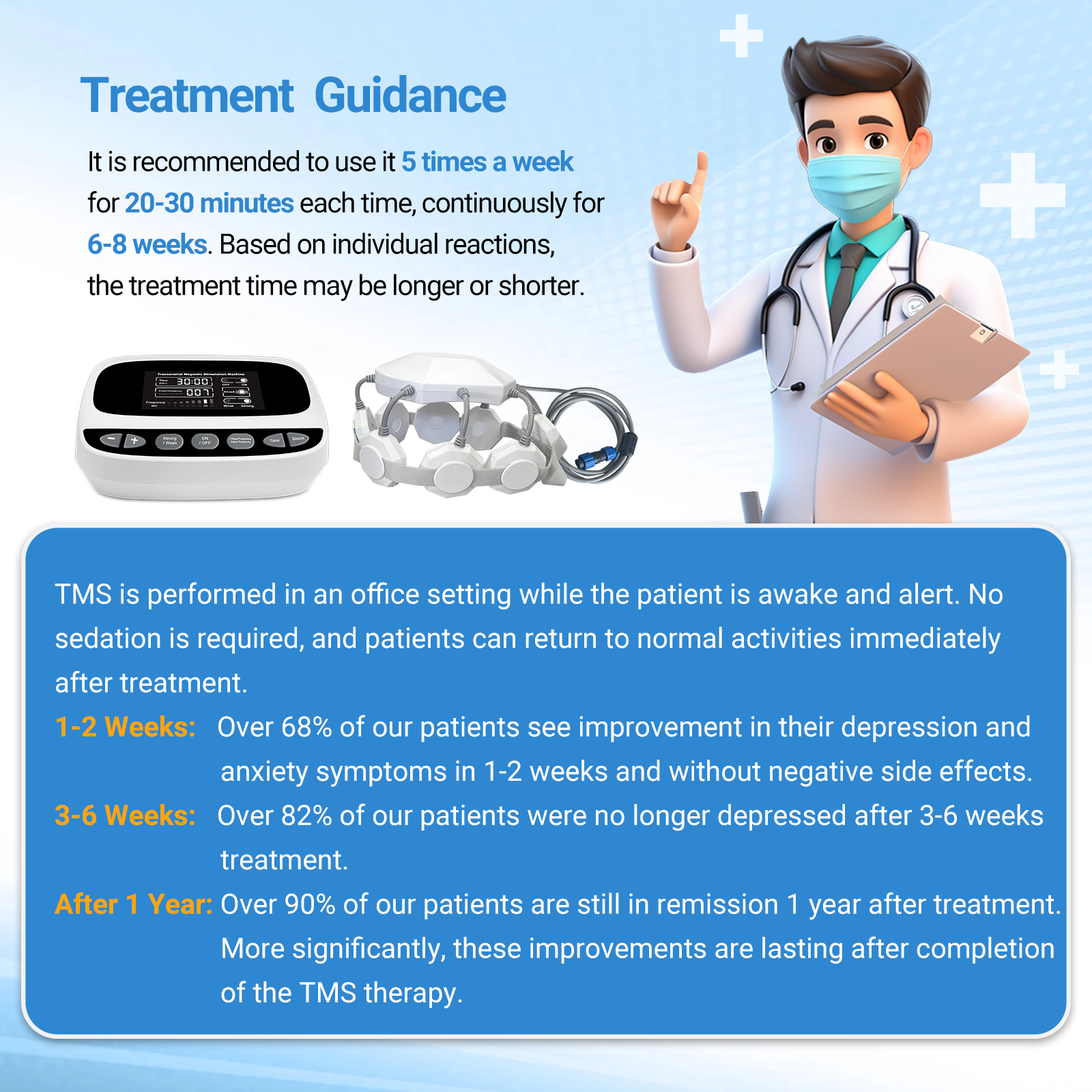
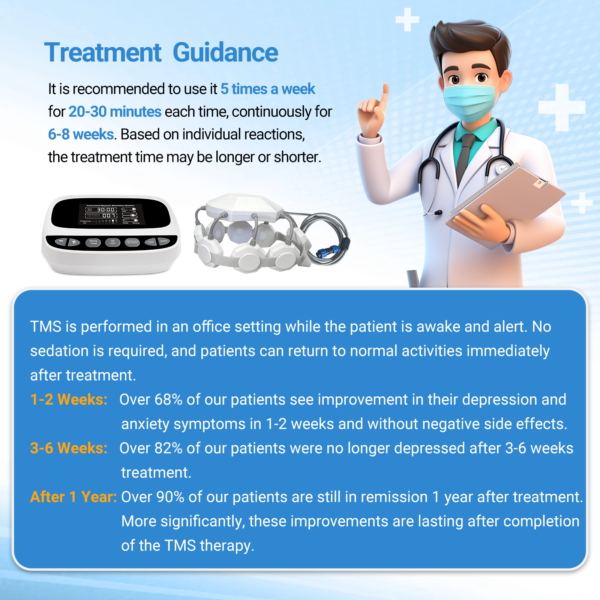
Depression (6 weeks) 10Hz high-frequency stimulation of the left prefrontal cortex, 5 times per week. Mood improvement in 2-3 weeks, significant symptom relief in 4-6 weeks, and effects lasting 3-6 months.
Parkinson’s Disease (4 weeks) Motor symptoms: 10-25Hz stimulation of the motor cortex, 5 times per week; Tremor: 1Hz stimulation of the cerebellum-thalamic pathway, 3 times per week. Improved motor function in 2 weeks, 30-40% reduction in tremor in 4 weeks.
Chronic Pain (8 weeks) 1Hz low-frequency stimulation of the motor cortex, 3 times per week. 20-30% reduction in pain intensity in 2 weeks, 40-50% reduction in pain frequency in 6 weeks.
Anxiety Disorders (4 weeks) Alternating high and low-frequency stimulation of the prefrontal cortex, 5 times per week. Reduced episodes in 2 weeks, ≥40% symptom improvement in 4 weeks.
Maintenance Phase (3-12 months) 1-2 times per week, significantly reducing recurrence rate and maintaining long-term symptom stability. Efficacy Stages Initial Stage (1-2 weeks): Initial symptom improvement Core Stage (3-6 weeks): Significant relief Consolidation Stage (2-6 months): Prevention of recurrence
References
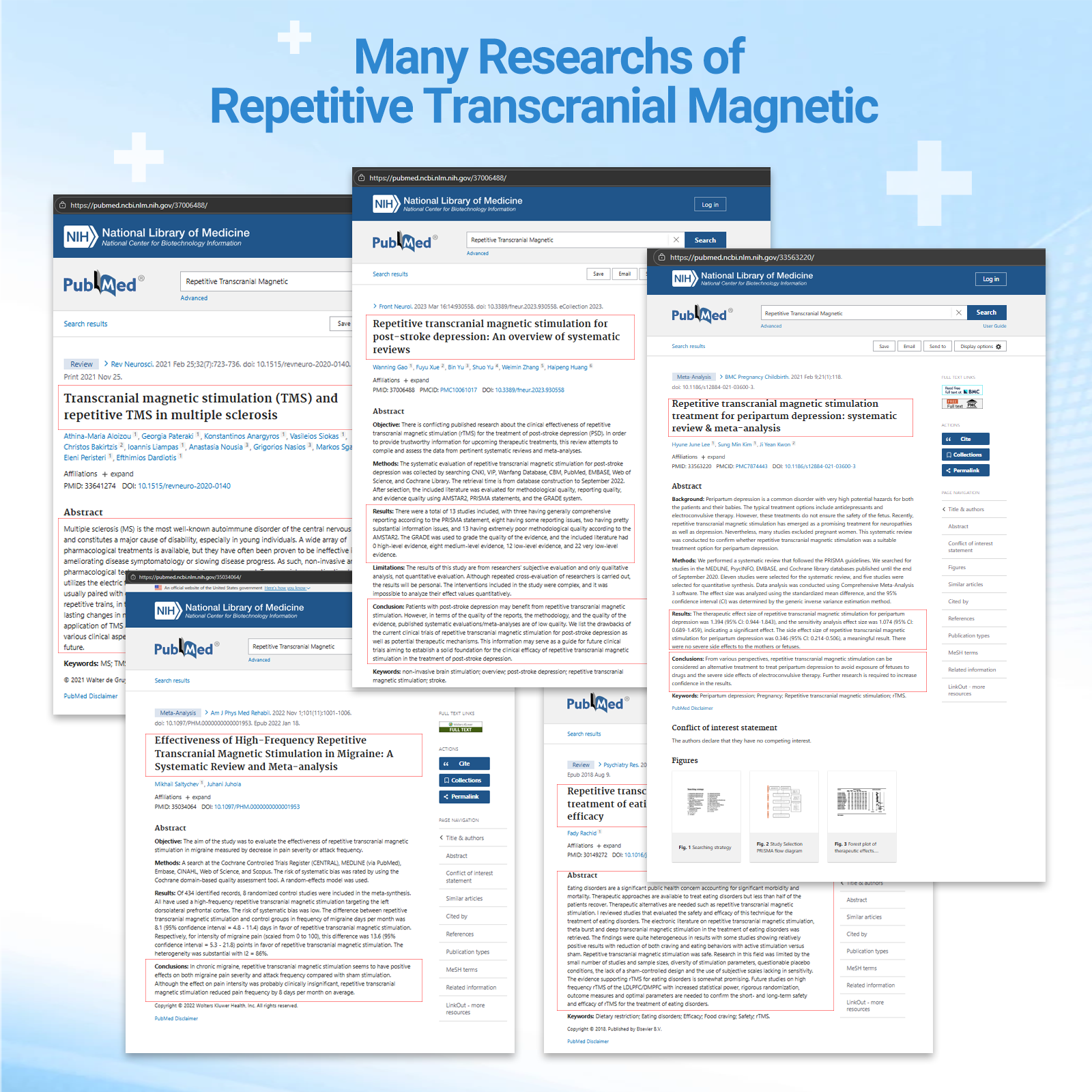
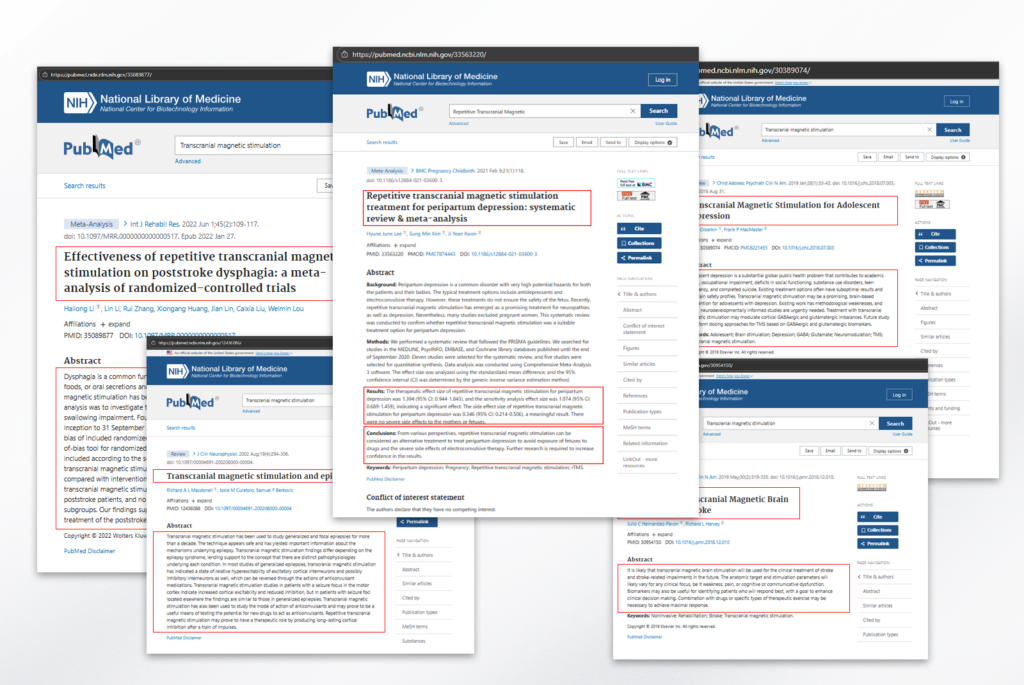
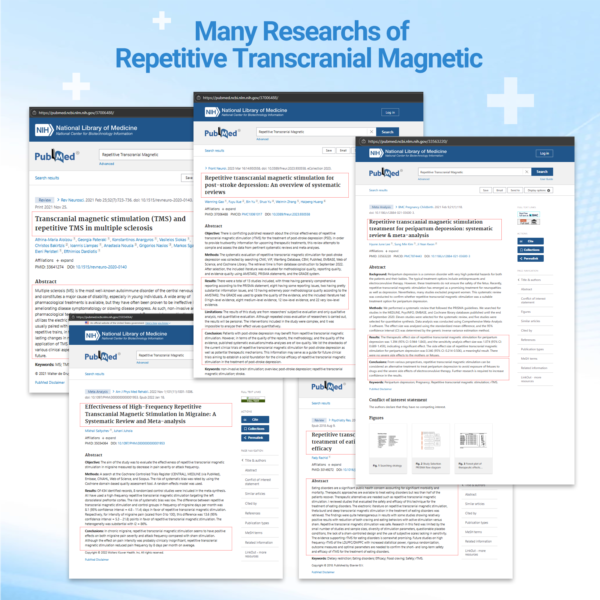
In a pivotal, multicenter, randomized controlled trial of patients with treatment-resistant major depressive disorder, transcranial magnetic stimulation (TMS) demonstrated clear efficacy and good tolerability. The study utilized high-frequency (10 Hz) repetitive TMS, targeting the left dorsolateral prefrontal cortex. Results showed a statistically significant reduction in Montgomery-Åsberg Depression Rating Scale (MADRS) scores in patients receiving active TMS compared to the sham stimulation group after 6 weeks of treatment. Approximately one-third to one-half of treatment-resistant patients achieved clinical remission after completing a course of treatment, without cognitive impairment or systemic side effects. This study provides high-level evidence for TMS as a non-invasive, non-pharmacological neuromodulation therapy for patients with depression who have not responded to medication.
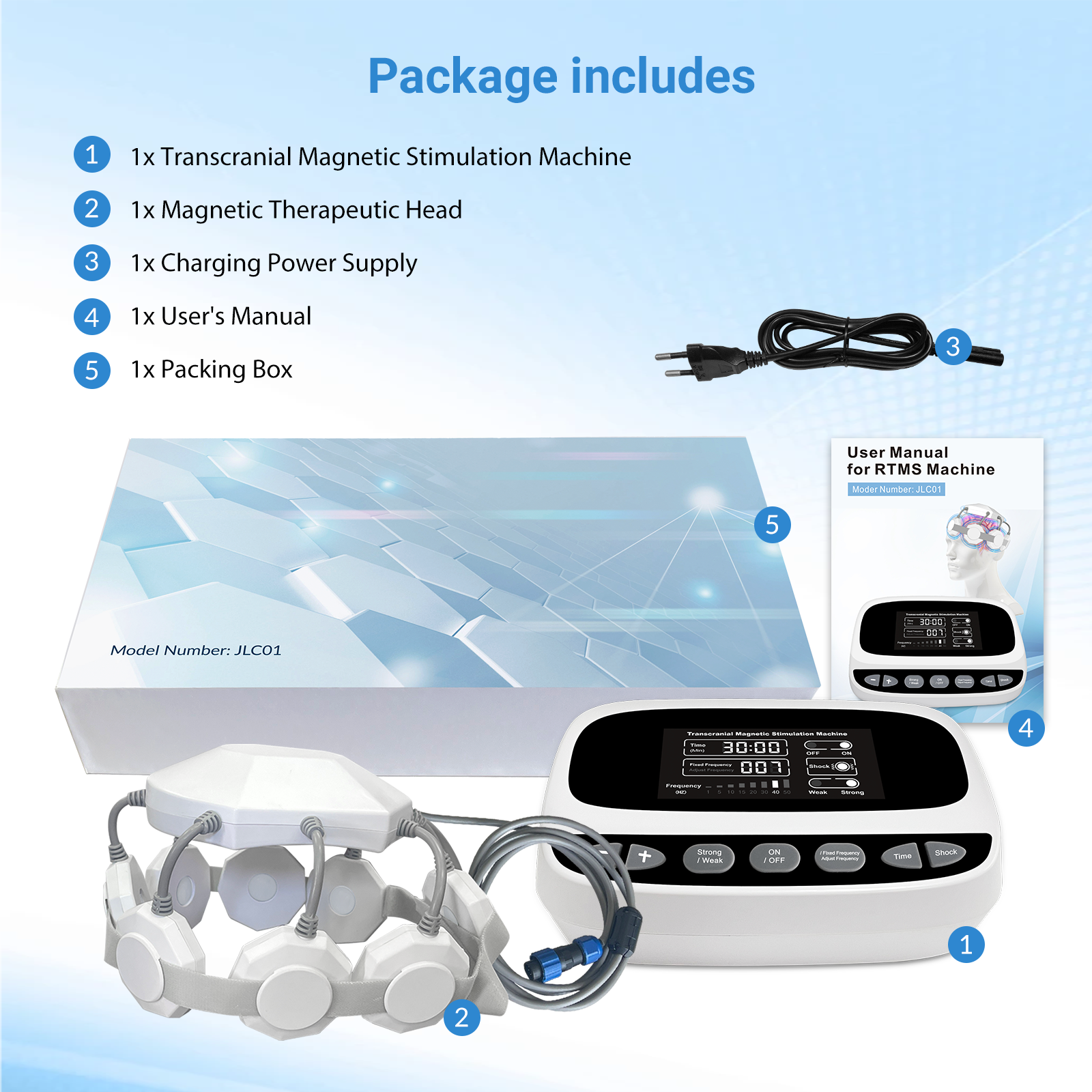
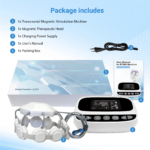
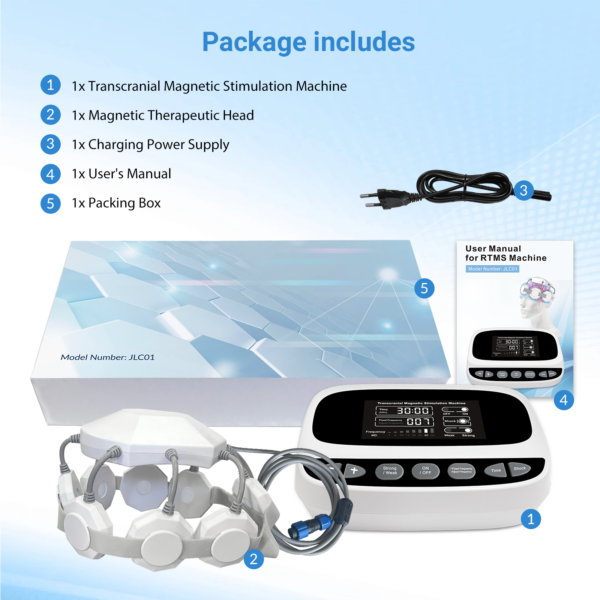
1*Transcranial Magnetic Stimulation Machine 1*Magnetic Therapeutic Head 1*User Manual 1*Charging Cord 1*Packing Box
Main features
The core principle of repetitive transcranial magnetic stimulation (rTMS) is electromagnetic induction. The pulsed magnetic field generated by the rTMS device can non-invasively penetrate the skull and act on specific functional areas of the brain. This magnetic field is converted into induced currents in the brain tissue, directly regulating the activity level of neurons and thus achieving precise intervention in neurological function. This non-invasive neuromodulation technique provides a completely new physical therapy approach for the treatment of brain diseases.
19 Intelligent Treatment Modes, Covering Multiple Disease Needs The system integrates 8 fixed-frequency and 11 variable-frequency modes, designing differentiated treatment plans for neurological and psychiatric disorders such as depression, anxiety, chronic pain, and stroke rehabilitation. Each mode is based on clinical neural pathway research, ensuring precise intervention in specific brain regions and improving the targeting and adaptability of rTMS treatment.
Dual-Intensity Magnetic Field System, Layered Targeted Treatment Provides dual-intensity magnetic field output (weak: 6-10mT and strong: 11-19mT), optimizing magnetic stimulation depth and effect while ensuring treatment safety, meeting the precise needs of different disease stages. Equipped with one large treatment head and eight small treatment heads, supporting localized focused stimulation and multi-brain region synchronous regulation, allowing for simultaneous/sequential stimulation of a single target or complex neural circuits. The modular design combines precise intervention with whole-brain coverage, significantly improving the clinical application efficiency of transcranial magnetic stimulators in complex diseases.
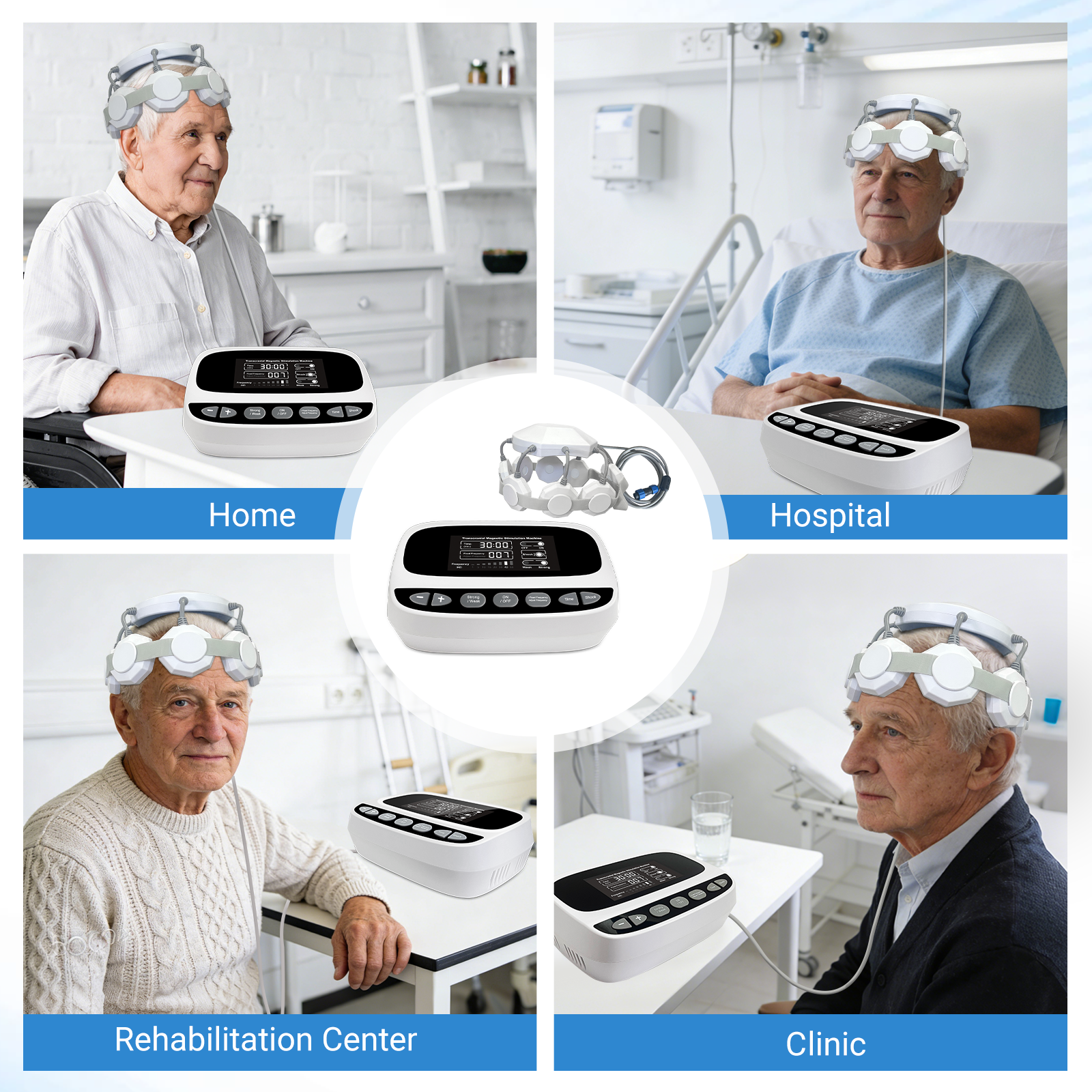
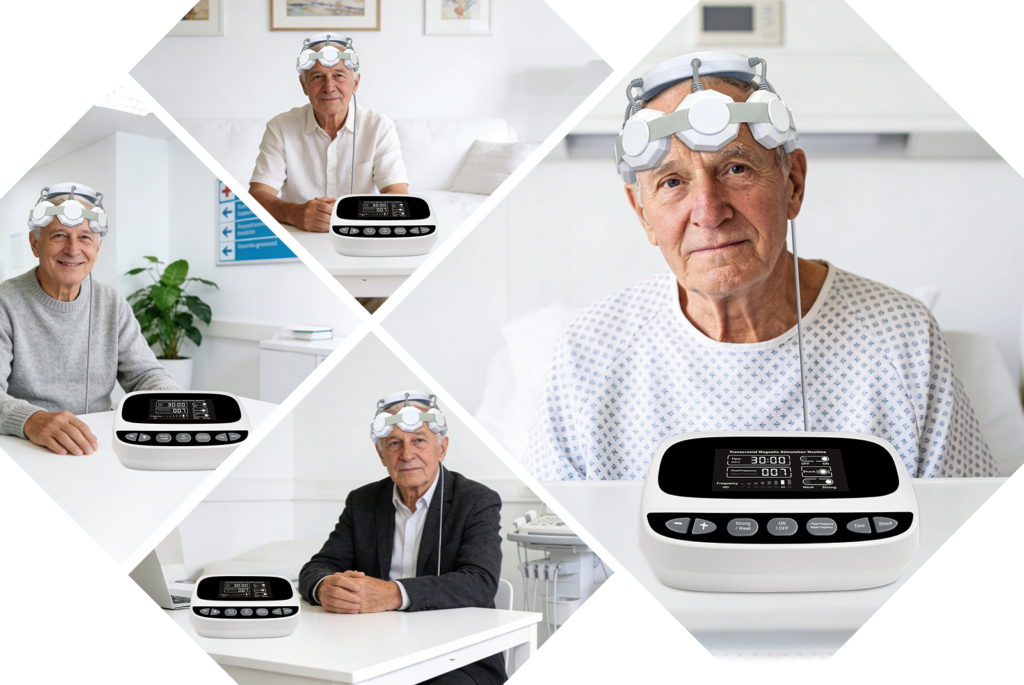
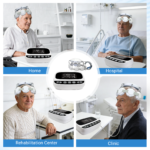
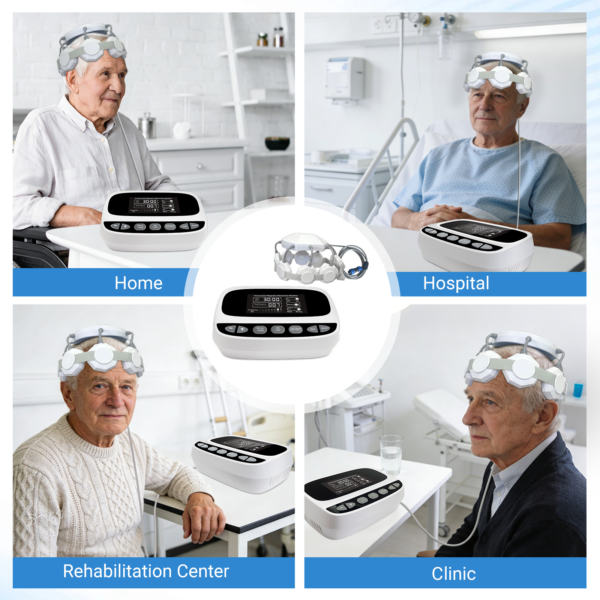
Lightweight Medical Design, Supporting Multiple Treatment Scenarios The device features a lightweight (1kg) medical-grade structure, integrating real-time treatment monitoring and time control functions (0-95 minutes adjustable), and possesses CE and FDA safety certifications. Suitable for hospital neurology departments, rehabilitation centers, community clinics, and mobile medical scenarios, it achieves a balance between clinical-grade precision treatment and portability, providing a reliable solution for multi-scenario rehabilitation.
For patients with depression, transcranial magnetic stimulation (TMS) is recommended with a high-frequency stimulation protocol of 5 sessions per week, 20-30 minutes per session, for 6 consecutive weeks. Improvements in mood typically begin to appear during the second or third week of treatment. For chronic pain management, a low-frequency stimulation protocol of 3 sessions per week for 8 weeks is suggested, with pain relief gradually increasing throughout the treatment period. For anxiety disorders, a 4-week intensive treatment course combining alternating frequency stimulation (high-frequency left prefrontal cortex + low-frequency right prefrontal cortex) can significantly reduce anxiety scores.
Add Your Heading Text Here
Number of Therapeutic Heads
1 Large Therapeutic Head+8 Small Therapeutic Head
Magnetic Field Frequency
1/5/10/15/20/30/40/50Hz, 8 Fixed Frequency to Choose
What is the core working principle of TMS therapy?
TMS uses electromagnetic induction to generate a changing magnetic field, which penetrates the skull non-invasively and induces current in specific brain regions to modulate neuronal activity, achieving targeted treatment of neurological and mental disorders.
What conditions does this rTMS machine treat?
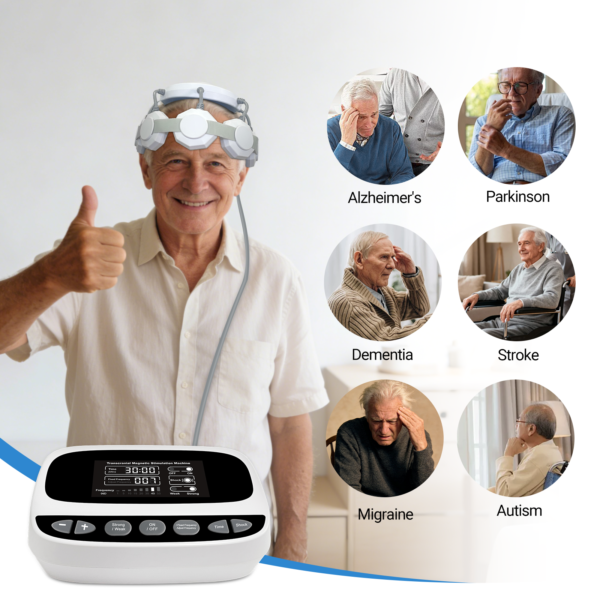
It targets mental health issues (depression, anxiety, PTSD, OCD), neurological disorders (Parkinson’s, stroke/TBI recovery, Alzheimer’s), chronic pain/migraines, addiction, insomnia, cognitive decline, tinnitus and epilepsy.
How many therapeutic heads does the device come with, and what’s their use?
Equipped with 1 large therapeutic head + 8 small ones, supporting localized focused stimulation of specific brain regions and synchronous regulation of multiple brain areas for complex neural circuit intervention.

-150x150.png)
-600x600.png)
.png)